Top reasons to choose used bulk containers for practical business operations
Exactly How Mass Containers Can Enhance Performance in Your Packaging Workflow
Mass containers play an important duty in maximizing packaging operations. Their layout allows much better use of vertical room and advertises organized inventory monitoring. This effectiveness leads to reduced product replenishment regularity and reduced labor costs. Furthermore, the sturdiness of these containers lessens product damages. As businesses seek means to improve their processes, recognizing the multifaceted benefits of bulk containers ends up being essential. What various other advantages might they give the table?
Structured Storage Solutions
As firms seek to optimize their procedures, structured storage space solutions have ended up being vital for boosting product packaging efficiency. Reliable storage space not only conserves area yet additionally helps with quicker accessibility to products, which is crucial in busy manufacturing atmospheres. Bulk containers, created for easy piling and company, considerably reduce the intricacy of storage space systems. They enable companies to optimize vertical area while minimizing the impact needed for supply.
In addition, these containers typically feature ergonomic designs that streamline dealing with and transport, minimizing the danger of injury and improving process. By consolidating products in bulk containers, firms can decrease the frequency of restocking and simplify their supply chain procedures. Overall, the application of reliable storage space solutions cultivates a more orderly work area, bring about enhanced performance and lowered operational costs. Via thoughtful style and critical use of bulk containers, companies can accomplish notable renovations in their product packaging procedures.

Waste Decrease and Sustainability
While the search of performance often drives packaging choices, waste decrease and sustainability have emerged as essential factors to consider in modern procedures. Companies progressively acknowledge that taking on mass containers can greatly reduce product waste. These containers often use less product packaging material than traditional methods, leading to a smaller sized carbon footprint.
Furthermore, mass containers can be recycled multiple times, which additionally reduces the need for single-use packaging and decreases general waste getting in land fills. Their design commonly allows for simpler recycling procedures, straightening with sustainability objectives.
Furthermore, companies that focus on waste reduction can enhance their brand track record, attracting eco conscious customers. By implementing bulk containers, companies not only improve operations however additionally add positively to environmental stewardship. This twin benefit of functional performance and sustainability positions firms positively in an open market increasingly focused on environment-friendly methods.
Boosted Production Line Efficiency

Executing mass containers on production line substantially enhances performance by improving the handling and transportation of products. By making use of mass containers, suppliers can lower the regularity of material replenishment, allowing employees to concentrate on setting up tasks as opposed to consistent supply management. This causes less disturbances and a smoother workflow, ultimately improving performance.
Additionally, mass containers are made for very easy assimilation with automated systems, better optimizing the assembly process. Their standard sizes and forms promote better company, allowing workers to situate and access products swiftly. This reduction in search time adds to a much more fluid production setting.
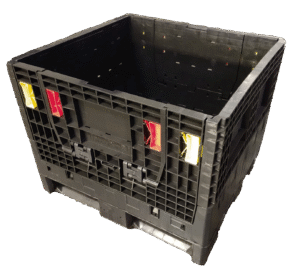
Expense Cost Savings and Improved Revenue Margins
Significant cost financial savings can be realized via the adoption of mass containers in packaging processes. By reducing the demand for multiple smaller bundles, business can decrease material prices notably. Mass containers frequently need less packaging material on the whole, causing reduced expenditures on materials. Furthermore, the performance of bulk handling decreases labor costs connected with packaging and unpacking, additionally boosting cost savings.
Fewer journeys to suppliers and reduced transport costs are also vital advantages, as bulk containers permit increased item capacity per shipment. This greater volume not just minimizes shipping expenditures yet likewise optimizes storage room within centers, resulting in enhanced inventory monitoring.
The toughness of bulk containers commonly equates to lower damage rates during handling and transportation, protecting item integrity and lowering waste. Jointly, these variables add to better earnings margins, making bulk containers a financially helpful selection for organizations seeking efficiency in their product packaging procedures.
Flexibility Across Industries
Bulk containers use impressive adaptability throughout various industries, making them a useful asset past simply cost savings. In the food and beverage industry, these containers promote the secure transport and storage space of big amounts of ingredients, enhancing efficiency in production lines. In pharmaceuticals, mass containers assure compliance with rigid hygiene requirements while fitting the mass handling of resources. The chemical market also benefits, as these containers endure severe materials and avoid contamination, sustaining risk-free procedures. used plastic containers. Furthermore, the farming industry utilizes mass containers for moving grains and fertilizers, enhancing logistics and decreasing waste. Their flexibility includes production, where mass containers enhance assembly processes and reduce the requirement for too much packaging. This cross-industry capability not only enhances functional performance but also advertises sustainability through minimized packaging waste, showing the indispensable function bulk containers play in contemporary supply chains
Regularly Asked Inquiries
Exactly How Do Mass Containers Influence Employee Safety in Packaging Workflow?
Bulk containers greatly enhance worker security in product packaging operations by minimizing manual handling, reducing injury dangers, and promoting ergonomic methods. Their layout facilitates much safer transport and storage, inevitably creating a more secure work atmosphere for all staff members.
What Products Are Bulk Containers Generally Made From?
Mass containers are normally made from long lasting products such as high-density polyethylene, wood, metal, or polypropylene - used plastic containers. These products provide stamina, resistance to ecological variables, and viability for numerous contents, making certain secure and efficient transportation of goods
Can Mass Containers Be Custom-made for Particular Products?
Yes, bulk containers can be personalized for details products. Producers frequently tailor dimensions, products, and includes to fulfill distinct requirements, making sure excellent defense and effectiveness during storage and transport of numerous products.
Exactly How Do Bulk Containers Affect Transport Logistics?
Bulk containers simplify transport logistics by maximizing cargo room, decreasing the number of journeys needed, and decreasing managing prices (used collapsible containers). Their standardized dimensions facilitate effective loading and unloading, ultimately causing improved functional effectiveness throughout the supply chain
What Is the Life-span of Mass Containers in Routine Use?
The lifespan of mass containers in normal use typically ranges from five to 10 years, depending upon worldly top quality, managing techniques, and ecological conditions. Correct upkeep can greatly extend their usability and here performance.
Implementing bulk containers on assembly lines greatly enhances performance by improving the handling and transportation of materials. Bulk containers typically need much less packaging material generally, resulting in reduced expenditures on materials. In pharmaceuticals, mass containers assure conformity with rigid hygiene requirements while suiting the bulk handling of raw materials. Their versatility extends to manufacturing, where bulk containers simplify setting up processes and minimize the demand for extreme packaging. Mass containers greatly improve worker security in product packaging operations by minimizing hands-on handling, decreasing injury dangers, and promoting ergonomic methods.